Virginia SB 270: New Rules for Sober Living
Breaking Down Virginia Senate Bill 270
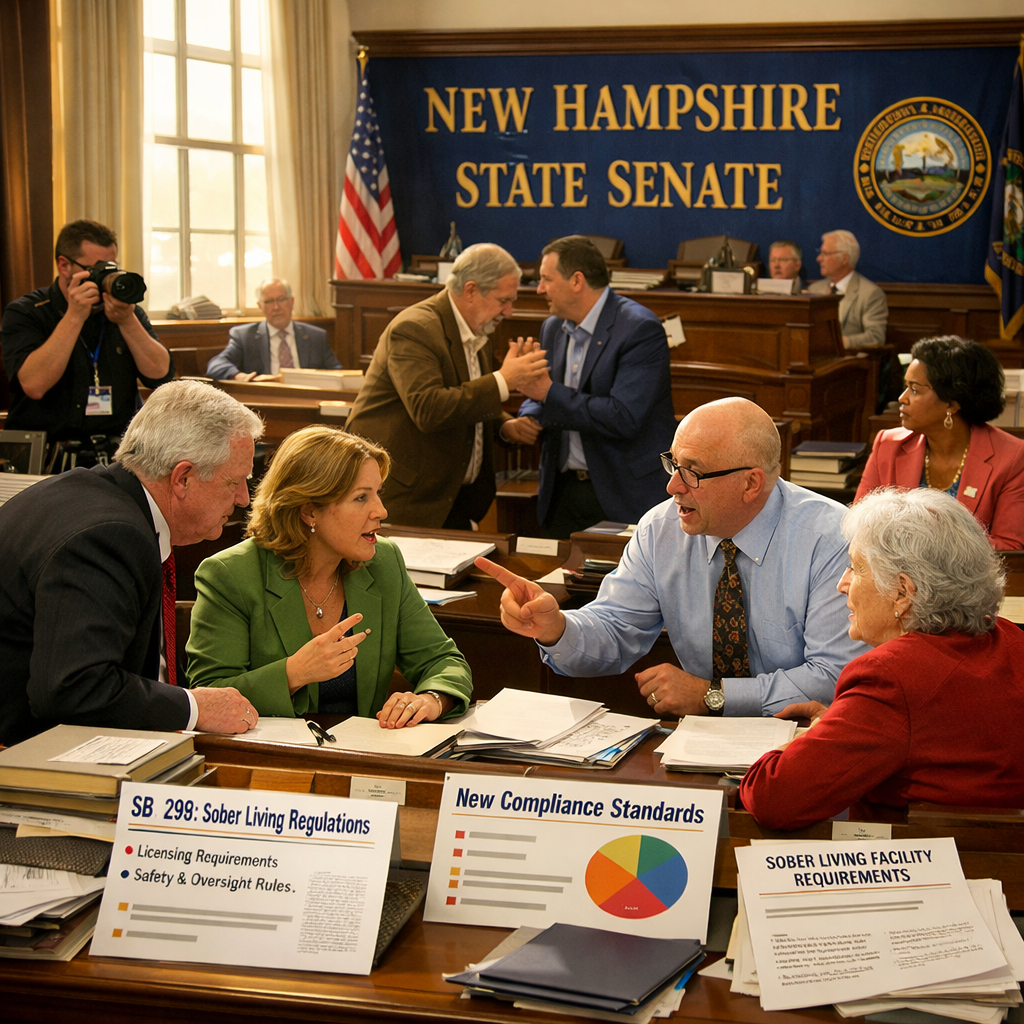
Independent recovery residence operators in Virginia must prepare for significant operational changes. The passage of Virginia SB 270 establishes a new regulatory framework managed by the Department of Behavioral Health and Developmental Services (DBHDS). With most provisions taking effect July 1, 2027, this law introduces mandatory state-level certification and draws a firm line between supportive housing and clinical treatment, directly impacting how you structure your business and serve your residents.
Prohibition on Financial Conflicts of Interest
The most critical provision of SB 270 is its strict prohibition on certain financial arrangements. The law makes it a Class 1 misdemeanor for a recovery residence operator or staff to require a resident to participate in specific medical or psychological services, including clinical treatment, from which the home derives a financial benefit. This rule is designed to dismantle business models where housing is used as leverage to channel residents into affiliated outpatient programs. It reinforces that the primary purpose of a recovery residence is to provide a supportive, non-clinical living environment. Operators must now critically evaluate any existing relationships with treatment providers to ensure they are free from financial coercion and conflicts of interest.
Mandatory State Certification
Under the new law, state certification will no longer be optional for homes that wish to work with the government. Effective in 2027, any referrals from a Commonwealth agency or court system will be restricted to DBHDS-certified recovery residences. This makes certification a practical necessity for any operator who relies on these referral streams. The State Board of Behavioral Health and Developmental Services is tasked with creating the minimum standards for this certification. The law does provide a path for operators to seek certification directly from the DBHDS, offering a potential alternative to working with third-party credentialing bodies. Preparing for this process involves a thorough review of your home’s policies, safety procedures, and documentation to meet state requirements for compliance and forms.
Zoning and Local Compliance
SB 270 offers a measure of clarity on a persistent challenge for operators: local zoning. The law requires local governments to treat any certified recovery residence with eight or fewer occupants the same as a single-family dwelling for zoning purposes. While this provision can be a useful tool, it does not override local control entirely. Operators must still research and comply with municipal ordinances. Your most powerful legal protections continue to stem from federal laws, specifically the Fair Housing Act (FHA) and the Americans with Disabilities Act (ADA), which prohibit discrimination against individuals in recovery.
The National Legal Context: FHA and State-Level Trends
Virginia's legislative action does not exist in a vacuum. Across the country, states are increasing their oversight of recovery housing, while federal courts continue to affirm the rights of residents and operators. Understanding this broader landscape is essential for protecting your operations and advocating for your residents.
Federal Protections Remain Your Strongest Asset
The FHA and ADA are the bedrock legal protections for independent sober living homes. These federal laws recognize individuals recovering from substance use disorder as a protected class with a disability. This status prohibits municipalities from using zoning or land use rules to discriminate against or exclude recovery residences from residential neighborhoods. Recent court decisions reaffirm this principle. In March 2026, a federal court in Indiana ruled that the state unlawfully discriminated against several recovery homes by classifying them as commercial structures, awarding one operator over $206,000 in damages. That same month, the U.S. Attorney's Office sued a New York town for using procedural hurdles to block a sober living home's opening. These cases demonstrate that operators have strong legal recourse when facing discriminatory local actions.
A Wave of State-Level Oversight
The move toward state certification is a national trend. In 2026, Ohio's legislature advanced a bill to make state certification mandatory, removing options from private organizations. Indiana now requires all recovery residences to register with the state, submitting proof of zoning compliance and owner qualifications. Florida law now requires every municipality to have a formal process for reviewing reasonable accommodation requests from certified homes. This pattern indicates that independent operators everywhere should anticipate a future with more formal state oversight. It also highlights the importance of proactive compliance and meticulous record-keeping to ensure your operation is prepared for increased scrutiny. However, the legal landscape can be complex; a 2025 Massachusetts court ruling upheld a city's right to enforce a neutral zoning definition of "family," signaling that challenges can still arise in certain jurisdictions.
Operator's Ledger: The Operational Math of SB 270 Compliance
Translating legislation into a business plan requires a clear-eyed look at the numbers. Preparing for SB 270 compliance involves tangible costs, administrative effort, and strategic adjustments. Here is a breakdown of the operational math every Virginia operator should consider.
- Administrative Burden: Expect to invest 40-60 hours in the initial certification process. This includes reviewing and updating all house rules, intake paperwork, safety plans, and operational policies to align with forthcoming DBHDS standards.
- Potential Certification Costs: While Virginia has not set fees, similar state programs cost operators between $5,000 and $15,000 annually for certification, inspections, and related compliance activities. Budget accordingly for these new operational expenses.
- Referral Pipeline Impact: The financial stakes are high. Without DBHDS certification by the 2027 deadline, you risk losing 100% of your resident referrals from courts, probation offices, and state social service agencies. This could be a catastrophic loss for homes reliant on public-sector clients.
- Business Model Adjustments: If your current model involves a financial relationship with a clinical provider, you must begin the process of decoupling these services. This could mean restructuring your business, ending partnership agreements, and finding new, independent referral sources for residents who need clinical care. The cost of this strategic shift will vary depending on the complexity of your current arrangements.
- Functional Recovery Metrics: SB 270 will require expanded data collection. You must be prepared to track and report on resident outcomes beyond simple abstinence. This includes metrics like average length of stay (aim for over 6 months, where abstinence rates can reach 68%), employment rates post-residency (target 70% or higher), and reductions in legal issues. Investing in a system for outcomes data and reports is no longer optional; it is a core compliance activity.
The new Virginia law signals a clear direction for the future of independent recovery housing. It prioritizes resident autonomy, ethical operations, and measurable success. While compliance will require investment and effort, it also offers an opportunity for well-run homes to distinguish themselves as leaders in providing quality, supportive environments.
This week, review your resident agreements and any referral relationships you have with clinical providers. Ensure there are no clauses that could be interpreted as a mandatory service tied to a financial benefit for your home. This proactive audit is your first step toward SB 270 compliance.