Navigating Recovery Housing Regulations
The New Compliance Playbook: Lessons from Lexington's Ordinance
Lexington's ordinance serves as an excellent model for what independent operators can expect as cities formalize oversight. The goal is not to eliminate recovery housing but to ensure a baseline of safety, accountability, and professionalism. Understanding these new requirements is the first step toward building a resilient and legally protected operation.
Core Mandates to Anticipate
While specifics vary, emerging regulations often revolve around a few key areas. Operators should prepare for requirements related to licensing, state-level standards, and local zoning. This involves creating and managing a significant amount of paperwork, from initial applications to ongoing reports. Using a system to manage compliance documentation is essential for staying organized and audit-ready.
- Local Licensing: Expect to apply for and annually renew a specific business license to operate a recovery residence. This typically involves a fee and the submission of detailed operational documents, including house rules, emergency contacts, and proof of ownership or lease.
- State Certification Alignment: Many local ordinances, like Lexington's, require operators to be certified by a state-recognized body. This ensures your home meets established quality standards for safety, ethics, and peer support.
- Zoning Compliance and Notification: You will likely need a zoning compliance permit to verify your property's use aligns with municipal code. Some ordinances also mandate that you notify adjacent property owners or neighborhood associations of your operation. This requirement makes early due diligence critical when considering managing multiple properties.
The Rehousing Transition Plan: A New Standard of Care
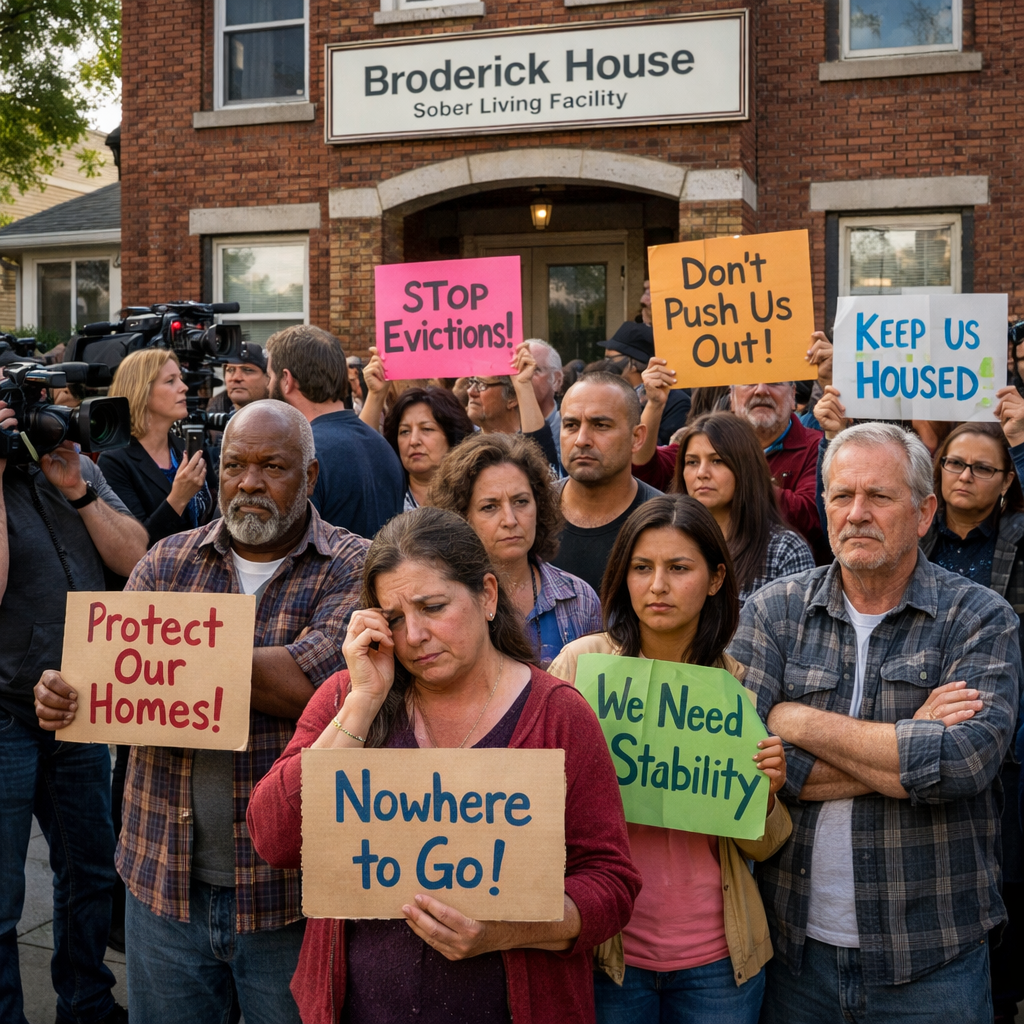
One of the most forward-thinking requirements in the Lexington ordinance is the mandatory 'Rehousing Transition Plan'. Operators must submit a plan detailing how they will assist residents in finding new housing if the home closes for any reason. This provision addresses a critical vulnerability for residents, who can be left without options during an abrupt closure. It also pushes operators to build stronger networks with other housing providers and community resources, improving the local recovery ecosystem.
Protecting Your Operation with Federal Law and Community Trust
While new local rules can feel restrictive, it is critical to remember that your operation and your residents are protected by federal law. The Fair Housing Act (FHA) and the Americans with Disabilities Act (ADA) recognize individuals in recovery from substance use disorder as a protected class. These laws place firm limits on a city's ability to regulate you out of existence.
Understanding Your Rights Under FHA and ADA
Federal protections mean that local ordinances generally cannot impose discriminatory restrictions. For example, a city cannot legally create density caps that limit the number of recovery homes in one area or mandate an arbitrary distance between them. The law requires municipalities to provide 'reasonable accommodations' for housing that serves people with disabilities. Lexington's ordinance was carefully drafted to avoid these legal pitfalls, focusing on operational standards rather than discriminatory zoning. This legal foundation is your strongest defense against 'Not In My Backyard' opposition.
Proactive Municipal and Neighbor Relations
The best legal defense is avoiding a fight in the first place. Proactive community engagement is a key business function for any sober living operator. Build relationships with local officials, first responders, and neighborhood leaders before a problem arises. Be transparent about your mission and operational model. A well-managed home that is a good neighbor is far less likely to attract negative attention or regulatory scrutiny.
Operator's Ledger: The Operational Math of Compliance
Navigating new regulations has a real impact on your bottom line and time. Budgeting for these costs is essential for long-term financial sustainability. Here is a breakdown of the numbers based on the Lexington ordinance and similar regulations.
- Annual Licensing Fees: Plan for $100 to $200 per property, per year.
- Potential Fines for Non-Compliance: Violations can be costly, with fines reaching up to $1,000 per day in some jurisdictions. The cost of non-compliance far outweighs the cost of preparation.
- Occupancy Constraints: Zoning will dictate your maximum number of residents. Lexington's ordinance, for instance, limits occupancy to eight people to align with its definition of a 'family or housekeeping unit'. This directly impacts your revenue model.
- Administrative Burden: Expect to spend 10-20 hours on the initial licensing and certification application process. Budget another 5-10 hours annually for renewals and reporting.
- Outcome Metrics for Reporting: To prove your home's value, you will need to track resident progress. Key functional recovery metrics include:
- Percentage of residents employed at exit versus intake.
- Percentage of residents who move to stable, independent housing.
- Changes in residents' self-reported recovery capital scores from intake to exit.
Systematically tracking outcomes data is no longer optional; it is a core part of demonstrating your effectiveness to regulators and funders.
Turning Regulation into a Business Advantage
Instead of viewing these rules as a burden, successful operators see them as an opportunity to professionalize their operations and stand out. A documented record of compliance and positive resident outcomes becomes a powerful asset. It can help you secure referrals from treatment centers, build trust with local officials, and successfully apply for grants or other funding. A commitment to high standards is a commitment to a sustainable business model that can weather regulatory changes and community concerns. By focusing on quality, you build a reputation that insulates you from criticism and positions your home as a vital community resource.
This is also a chance to refine your financial operations. With increased administrative duties, finding efficiencies is key. Automating tasks like resident fee collection frees up valuable time that you can dedicate to compliance and community building.
This week, draft a one-page Rehousing Transition Plan for your home, even if your city does not require it. This simple exercise will force you to identify partner organizations, clarify your emergency procedures, and ultimately strengthen your operational resilience for any challenge that comes your way.