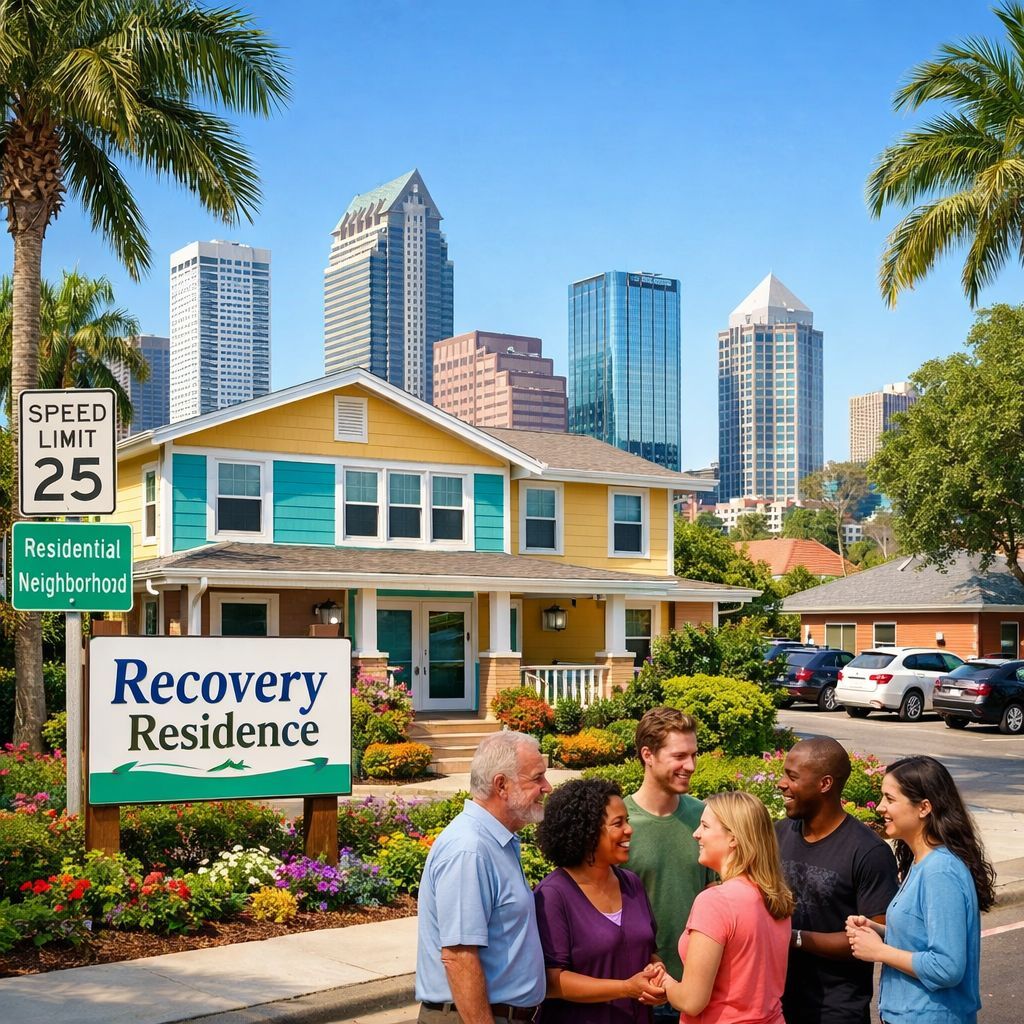
The Good Neighbor Policy for Sober Living Homes
Why a Good Neighbor Policy is Your Best Defense
A proactive Good Neighbor Policy is one of the most effective tools an independent operator can have. It is a formal set of commitments that demonstrates your dedication to being a responsible, integrated member of your community. This is not just about being polite; it is a strategic business practice that protects your investment, your residents, and your legal rights by building trust and mitigating conflicts before they can escalate into costly legal or zoning battles.
Build Community Trust and Reduce Stigma
Opposition to recovery housing is often rooted in stigma and unfounded fears about safety and property values. A clearly defined policy directly addresses these concerns. By committing to high standards for property maintenance, noise levels, and resident conduct, you can dismantle negative stereotypes through consistent, responsible action. This proactive stance shows neighbors and municipal officials that your home is a well-managed asset that contributes positively to the neighborhood's character.
Strengthen Your Legal and Zoning Position
While the Fair Housing Act (FHA) and Americans with Disabilities Act (ADA) offer federal protections for people in recovery, operators often face local zoning challenges. A documented Good Neighbor Policy can be a powerful piece of evidence in these situations. When requesting a “reasonable accommodation” from a municipality, your policy demonstrates a concrete effort to mitigate any potential impact on the community. It shows you are operating as a single, stable household, which strengthens your argument against discriminatory ordinances related to parking, spacing, or definitions of “family.”
Core Components of an Ironclad Policy
An effective Good Neighbor Policy is specific, enforceable, and transparent. It should be a formal, written document that is reviewed with every new resident. The goal is to set clear expectations that protect both the recovery environment inside the house and your relationship with the world outside it.
Property, Parking, and People Protocols
These guidelines address the most common sources of neighborhood friction. Your policy should explicitly state the rules for resident behavior outside the home. Consider including the following points:
- Noise Abatement: Establish and enforce quiet hours, typically from 10:00 PM to 7:00 AM. Prohibit loud music, shouting, or disruptive gatherings in outdoor areas.
- Property Maintenance: Commit to high standards of cleanliness, including regular yard work, prompt trash disposal, and keeping porches and grounds free of clutter.
- Parking Plan: Require all resident and visitor vehicles to be parked legally. Prioritize using available driveways or garages to minimize street parking, and instruct residents to be considerate of where they park.
- Designated Smoking Areas: Restrict all smoking to a specific outdoor area, preferably in the back of the property, to contain smoke and litter.
- Respectful Conduct: Prohibit loitering, profanity, and disruptive behavior on or around the property.
Communication and Complaint Resolution
A central feature of a successful policy is a clear and accessible process for neighbors to voice concerns. This shows you are responsive and accountable. Your communication protocol should include:
- A Designated Contact: Provide immediate neighbors with the name and a 24/7 phone number for a house manager or operator who is authorized to address issues immediately.
- A Formal Resolution Process: Detail the steps for how you will receive, document, and respond to any complaints within a specific timeframe, such as acknowledging receipt within one hour and providing an update after addressing the issue.
Operator's Ledger: The Math Behind Community Relations
Implementing a Good Neighbor Policy is not just about goodwill; it has a direct impact on your operational finances and stability. The numbers show that proactive community engagement is a sound investment.
- Cost of Conflict: A single zoning dispute or legal challenge can cost an operator between $10,000 and $50,000 in legal fees, not including the time lost and potential disruption to operations. A proactive policy can prevent many of these conflicts.
- Administrative Burden: The initial time investment is minimal. Expect to spend 3-5 hours drafting a comprehensive policy and another 1-2 hours per month reviewing it with new residents and addressing any community feedback.
- Property Value Data: Counteract neighborhood fears with facts. A 2026 study in *Drug and Alcohol Dependence* found no evidence that recovery homes harm property values. In fact, it found that census tracts with a residence had median home values $12,000 to $39,000 higher than comparable tracts without one.
- Complaint Reduction Metric: A key performance indicator for your policy's success is a reduction in neighbor complaints. Well-managed homes with clear policies often report a 75% or greater reduction in complaints after the first six months of operation.
Putting Your Policy into Action
A policy on paper is useless without consistent implementation. Turning your document into a living part of your home's culture requires proactive steps and a commitment to transparency.
Proactive Outreach and Engagement
Do not wait for a problem to arise. Before a new home opens, or as soon as you implement your policy, meet with your immediate neighbors. Introduce yourself, provide a one-page summary of your Good Neighbor Policy, and share the designated contact information. This simple act of outreach can build a foundation of trust. Encourage residents to participate in community activities like park clean-ups or local volunteer events. This demonstrates that your residents are contributing members of the community, which is a powerful way to change perceptions.
This week, your actionable task is to draft a one-page summary of your Good Neighbor Policy. Include the top five rules, the designated 24/7 contact number, and a brief statement of your commitment to being a responsible member of the neighborhood. Create a simple contact card with this information that you can easily share with your immediate neighbors.