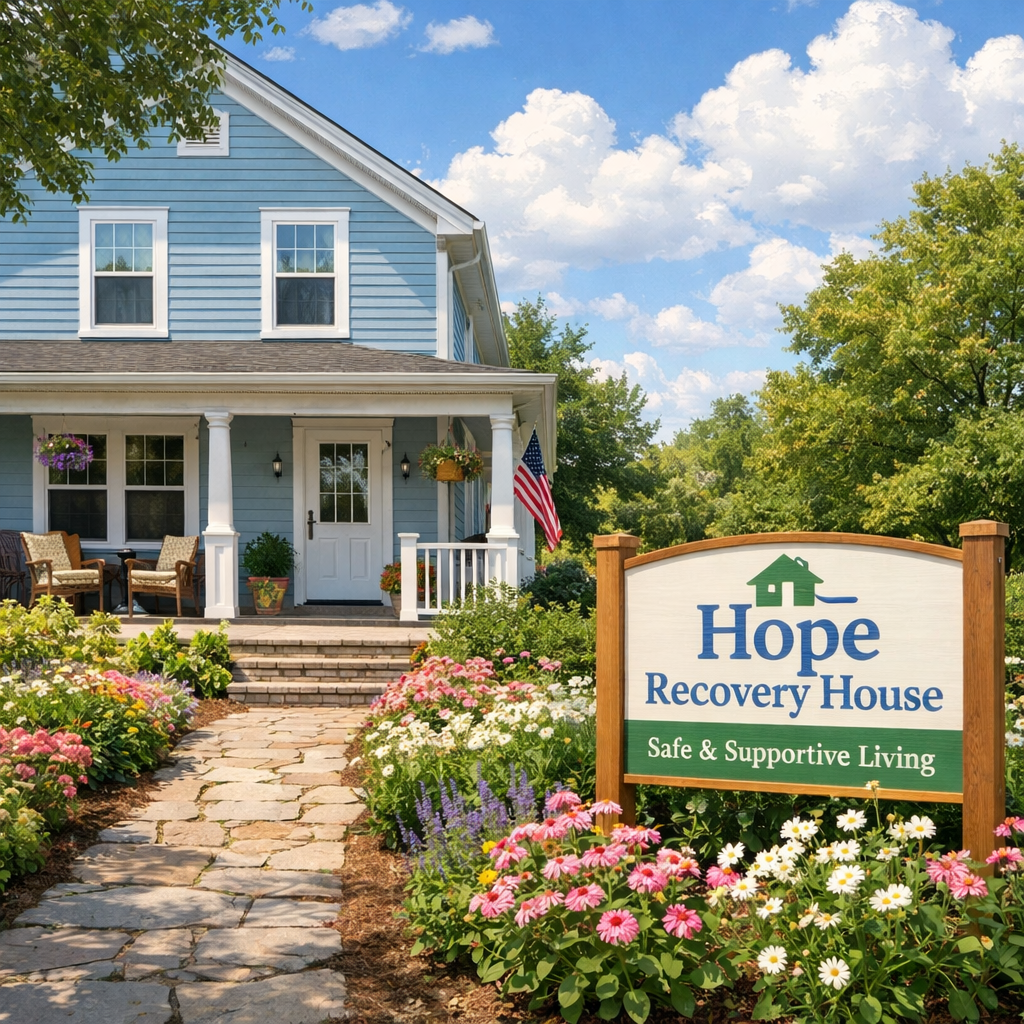
California Sober Trend Challenges House Rules
The Core Conflict: Abstinence Models vs. Harm Reduction Claims
The rise of the California Sober trend presents a direct challenge to the operational and philosophical foundation of most independent recovery residences. This lifestyle, defined by abstaining from alcohol while permitting cannabis use, is often positioned as a form of harm reduction. However, it creates a fundamental conflict with the peer-based, total abstinence model that has long been the standard for creating a safe, trigger-free environment. For operators, this is not a theoretical debate; it is an immediate operational risk that affects community stability and legal standing.
Research validates the concerns of operators who uphold a zero-tolerance policy. A study of sober living houses in Los Angeles found that residents who used cannabis had significantly higher odds of also using alcohol and other drugs. The data indicated that the odds of experiencing drug-related problems were nearly 15 times higher for residents who used cannabis compared to those who did not. This evidence suggests that permitting cannabis use may not be a safe substitute but instead a factor that complicates, or even reverses, progress in recovery from other substances.
Why Total Abstinence is the Prevailing Standard
The structure of a recovery residence is built on mutual accountability and a shared commitment to sobriety. A zero-tolerance policy for all non-prescribed, mind-altering substances serves several key functions:
- Creates a Predictable Environment: It removes ambiguity and ensures all residents are held to the same clear standard, which is essential for building trust and peer support.
- Minimizes Triggers: The presence or smell of any substance can be a powerful trigger for other residents, potentially jeopardizing the recovery of the entire community.
- Aligns with Recovery Principles: Most established recovery pathways advocate for complete abstinence as the surest route to long-term stability.
Legal and Liability Risks Operators Cannot Ignore
Allowing cannabis use, even in states where it is legal for recreational or medical purposes, exposes an independent operator to substantial legal and financial risks. The conflict between state and federal law creates a precarious position that can undermine the very legal protections that allow sober living homes to exist in residential communities.
Federal Law and Fair Housing Act Protections
The Fair Housing Act (FHA) and the Americans with Disabilities Act (ADA) are critical legal shields for recovery housing. These federal laws classify individuals in recovery from substance use disorder as a protected class, preventing municipalities from using zoning or other ordinances to discriminate against them. However, this protection has a significant exception: it does not apply to individuals who are currently using illegal drugs as defined by the federal Controlled Substances Act. Since cannabis remains a Schedule I substance at the federal level, courts have consistently ruled that housing providers are not required to accommodate its use. An operator who knowingly permits cannabis on their property weakens their home's legal standing and may void the protected status of its residents in a dispute with a local government.
Insurance Coverage Gaps and Financial Ruin
Securing and maintaining general liability insurance is a non-negotiable aspect of running a recovery residence. Many commercial insurance policies contain specific cannabis exclusions that eliminate coverage for bodily injury or property damage arising from cannabis-related activities. If a fire, accident, or other incident occurs that is linked to cannabis use on the property, an operator with a permissive policy could face a denied claim. This would leave the operator personally liable for damages that could easily reach hundreds of thousands of dollars, resulting in complete financial ruin.
Municipal Relations and Zoning Conflicts
Permissive substance use policies can attract negative attention from neighbors and local officials. Community complaints about odors, increased traffic, or perceived safety issues can lead to intense scrutiny from code enforcement and zoning boards. In an environment where many municipalities are already seeking ways to regulate sober living homes more strictly, a reputation as a cannabis-friendly‚ home can make an operator a target. This can jeopardize any conditional use permits and poison relationships with local authorities, making future expansion or even continued operation difficult.
Operator's Ledger
Analyzing the financial and operational impact of your substance use policy is crucial. A zero-tolerance rule is not just a recovery principle; it is a sound business decision. The numbers below illustrate the potential costs and benefits.
The Operational Math of a Zero-Tolerance Policy
- Legal Defense Costs Avoided: Defending against a zoning challenge can cost between $25,000 and $100,000. Maintaining full FHA and ADA protections by prohibiting federally illegal substances is your strongest and most cost-effective defense.
- Insurance Premium Stability: A clean claims history and low-risk profile can keep annual liability insurance premiums stable, typically ranging from $2,000 to $5,000 for a standard home. A permissive policy could lead to non-renewal or premium surcharges of 25% or more.
- Lower Resident Turnover: Stable, abstinence-focused environments correlate with longer lengths of stay. Research shows residents staying six months or more have much higher success rates. Reducing turnover by just one resident per quarter can preserve $1,800 to $3,000 in fee revenue.
- Administrative Simplicity: A clear, universal rule saves dozens of administrative hours per month. It eliminates the need to manage complex policies for different substances, track medical authorizations, or mediate resident disputes over use, saving an estimated 5 to 10 hours per week.
The Risk Calculation of a Permissive Policy
- Potential Liability from an Uninsured Event: A standard general liability policy carries a $1 million limit. An uninsured, catastrophic event, such as a fire causing injury, could result in personal and business liability far exceeding this amount.
- Increased Operational Costs: Implementing a tiered policy requires more sophisticated and costly drug testing panels. It also necessitates more intensive staff supervision to manage compliance, potentially increasing payroll costs by 15% to 20%.
- Higher Community Conflict Costs: Responding to municipal citations, attending hearings, and managing neighbor complaints can cost thousands in fines and legal fees, not to mention the damage to your home's reputation.
Crafting Legally Sound House Rules in 2026
In response to the California Sober trend, operators must be proactive in defining and documenting their house rules. A passive or ambiguous approach creates unacceptable risk.
The Majority Approach: Reaffirming Total Abstinence
The most legally protective and operationally sound strategy is to maintain or reaffirm a strict, zero-tolerance policy. This involves explicitly stating in the resident agreement that the use or possession of any alcohol, non-prescribed medications, or illicit substances, including all forms of cannabis, is prohibited on or off the property. This clarity protects the community and simplifies enforcement.
Documentation and Enforcement are Key
Your policy is only as strong as its documentation and enforcement. Ensure that:
- The Resident Agreement is Explicit: The agreement signed by every resident upon intake must clearly list prohibited substances, including cannabis, and detail the consequences of a violation, which often includes immediate discharge.
- Enforcement is Consistent: Apply the rules uniformly to all residents. Inconsistent enforcement can lead to claims of discrimination and undermine the integrity of your program.
- Consequences are Immediate: To protect the safety of the community, violations of the substance-free policy must be addressed immediately according to the protocol outlined in your house rules.
While a very small niche of homes has experimented with a medically supervised model, this is a high-risk, high-complexity operation. It requires stringent controls, such as allowing only non-inhalant forms for verified medical conditions, and should not be confused with a permissive California Sober approach. For the vast majority of independent operators, the legal, financial, and community risks of allowing cannabis far outweigh any perceived benefits.
This week, review your resident agreement and house rules with your legal counsel. Ensure your policy on cannabis is explicit, unambiguous, and aligns with your insurance coverage to fully protect your operation and the recovery environment for all residents.