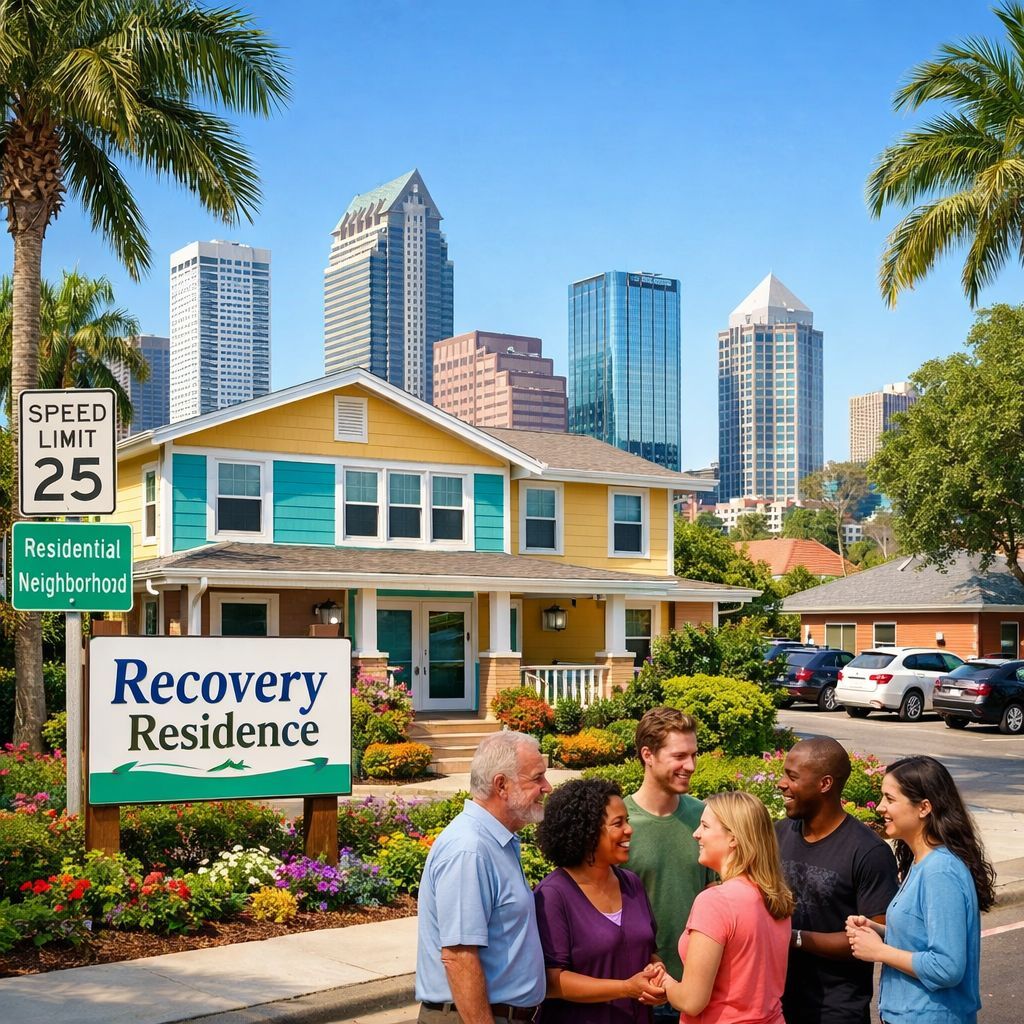
Albuquerque Sober Living: An Operator's Guide
The Albuquerque Advantage: The Continuing Sobriety Voucher Program
For independent sober living operators, Albuquerque offers a distinct operational environment. The city has created a direct revenue opportunity through its Continuing Sobriety Housing Voucher Pilot Program. Established by City Council Resolution R-25-179, this initiative is not just another policy discussion; it is a funded mandate designed to connect individuals leaving treatment with quality recovery housing. Understanding this program is essential for any operator seeking financial stability and growth in the city.
The program, funded with an initial $842,600 from Opioid Settlement Funds, provides up to 12 months of housing assistance for as many as 25 adults experiencing homelessness upon exiting detox or rehabilitation. Unlike some housing models, this program requires participants to commit to sobriety, creating a population of residents who are actively engaged in their recovery journey. This aligns perfectly with the mission of most independent sober living homes.
How Independent Operators Can Participate
To become a housing partner for the voucher program, operators must demonstrate that their homes meet specific quality standards. The city has indicated a preference for providers who can offer what is functionally equivalent to a Level 3 service environment. While you do not need any outside certification, you must be able to document and provide these core components:
- Supervision and Staffing: Your home should be managed by a house manager or staff member who provides oversight and support. This does not require clinical credentials, but it does require a structured presence.
- Structured Programming: You must offer regular, organized recovery-support activities. This includes weekly house meetings, life skills development sessions (like budgeting or job readiness), and documented requirements for residents to attend outside support meetings.
- Administrative Oversight: Your business must have clear administrative processes. This includes having a written resident agreement, clear house rules, a fair grievance process, and a structured system for collecting rent and fees. Strong documentation of your operational policies is key to a successful application.
The city's Department of Health, Housing, and Homelessness (HHH) issues a Request For Proposal (RFP) to select providers. Your ability to articulate your program's structure and resident support model will determine your eligibility.
Financial Implications of the Voucher Program
The voucher program provides a reliable, direct payment stream that can significantly stabilize an operator's finances. Instead of relying solely on residents who may struggle with consistent payments in early recovery, a portion of your revenue comes directly from the city. This dependable income reduces financial risk, improves cash flow, and allows you to focus more on providing quality support and less on chasing late rent. It also helps maintain higher occupancy rates by creating a dedicated referral pipeline from local treatment centers partnered with the city.
Navigating Albuquerque's Regulatory and Legal Framework
New Mexico's lack of state-level licensing for recovery residences places the compliance burden squarely on municipal ordinances and federal laws. For operators in Albuquerque, this means focusing on the city's zoning code and your well-established rights under anti-discrimination law.
Local Zoning: The Integrated Development Ordinance (IDO)
The primary document governing your operation is Albuquerque's Integrated Development Ordinance (IDO). Under the IDO, sober living homes are typically classified as "Community Residential Programs for Substance Abusers." This classification comes with specific rules you must follow to operate legally:
- Zoning Districts: The IDO specifies which zones permit community residences. Most residential zones allow for these homes, but you must verify the zoning for any potential property before signing a lease or purchasing.
- Occupancy Limits: The city often applies the same definition of "family" to group homes, which can limit the number of unrelated residents in a single-family dwelling. Understanding these limits is critical.
- Spacing Requirements: To prevent clustering, the IDO may mandate a minimum distance between recovery homes or other community residential facilities. This can impact your site selection process.
Proactive compliance with the IDO is your first line of defense against neighborhood complaints and municipal scrutiny.
Federal Protections: Your Rights Under FHA and ADA
As an operator, your most powerful legal tools are the federal Fair Housing Act (FHA) and the Americans with Disabilities Act (ADA). These laws are not suggestions; they are federal mandates that protect your right to operate and your residents' right to housing. Individuals in recovery from substance use disorder are considered to have a disability under federal law, making them a protected class.
This protection means a city cannot use its zoning laws to discriminate against or exclude your recovery residence. If a local ordinance, such as an occupancy limit for unrelated individuals, prevents your residents from having an equal opportunity to live in the community, you have the right to request a "reasonable accommodation." This is a formal legal request for the city to make an exception to its rules. For example, you might request permission to house seven unrelated residents in a home zoned for a maximum of five if you can demonstrate the financial and therapeutic necessity of the additional residents. Mastering the reasonable accommodation process is a non-negotiable skill for long-term success.
State-Level Compliance and Safety Codes
While New Mexico does not have a specific license for sober living, you are still running a business and a shared residence. You must comply with all standard regulations, including registering your business with the state, maintaining liability insurance, and adhering to all local fire protection and life safety codes. This includes ensuring proper smoke detectors, carbon monoxide detectors, clear egress routes, and safe sleeping arrangements for all residents.
Operator's Ledger: The Financial Math of Albuquerque Sober Living
Success in sober living requires a firm grasp of the numbers. The Albuquerque market offers unique variables due to the city's voucher program. Here is a breakdown of the operational math you should consider.
- Potential Voucher Revenue: The pilot serves up to 25 residents. Assuming a market-rate rent of $650 per bed per month, this program represents a potential $195,000 in annual revenue flowing into the local recovery housing ecosystem. A single 8-bed home participating could see over $62,000 in annual revenue from this source alone.
- Startup Costs (6-Bed Home): Expect initial costs to range from $40,000 to $90,000. This includes first/last month's rent and security deposit, furniture, insurance premiums, business registration, and initial operating capital for the first three months.
- Monthly Operating Costs: A 6-bed home can expect monthly expenses between $4,500 and $7,000. This covers rent or mortgage, utilities, insurance, supplies (drug tests, paper goods), and staff stipends.
- Administrative Burden (Voucher Program): Plan for 15-20 hours for the initial RFP application process. If selected, budget an additional 5-8 hours per month for ongoing compliance, reporting, and communication with the city's HHH department. Efficiently tracking resident progress with an outcomes data platform can reduce this time.
- Key Performance Metric (for funding): To remain in good standing with funders like the city, aim for a 90-day resident retention rate of 60% or higher. This metric demonstrates program effectiveness and justifies continued partnership.
Building a Sustainable Operation in Albuquerque
Beyond navigating regulations and securing initial funding, long-term success depends on building a resilient and reputable operation. This involves diversifying your funding, optimizing your property, and managing community relations.
Securing Additional Funding Streams
The city's voucher program is an excellent start, but it should not be your only source of institutional funding. Proactive operators should also explore:
- New Mexico Recovery Housing Program (RHP): Administered by the New Mexico Mortgage Finance Authority, this federal program provides grants to develop and sustain recovery housing. Watch for their Notice of Funding Availability (NOFA) announcements.
- New Mexico Health Care Authority (HCA): The HCA periodically releases funding to expand behavioral health services, including residential programs. These grants can support service enhancements that make your home more attractive to residents and referral sources.
- Opioid Settlement Funds: Both the city and Bernalillo County are allocating millions in opioid settlement funds toward housing stability and supportive services. Stay connected with the Albuquerque Community Safety Department to learn about opportunities.
Designing a Compliant and Supportive Property
The physical environment of your home directly impacts resident recovery and community perception. Prioritize a property that is safe, clean, and conducive to a peer-support model. Ensure the home has adequate common space for house meetings and separate, quiet areas for residents to reflect or work. When considering properties, look for those that already meet basic ADA accessibility standards to broaden your potential resident pool and minimize future renovation costs.
Community and Municipal Relations
Do not wait for a zoning complaint to introduce yourself to the neighborhood. Proactively build positive relationships with your neighbors, local businesses, and city council representatives. Host an open house, maintain your property meticulously, and ensure your residents are respectful of the community. A positive reputation is your best defense against NIMBY-ism and can smooth the path for future expansions or reasonable accommodation requests.
The landscape for independent sober living in Albuquerque is full of opportunity for the prepared operator. By leveraging the city's innovative voucher program and understanding your legal rights, you can build a financially sound operation that provides a vital service to the community.
This week, your first step should be to download and review Albuquerque's Integrated Development Ordinance. Identify the zoning of your target neighborhood and draft a one-page summary of how your home's services (supervision, house meetings, life skills) meet the city's expected standards for its voucher program partners. This preparation will position you to act quickly when the next RFP is released.