2026 Metrics for Women's Sober Living Success
The Shift to Functional Recovery Metrics in 2026
For decades, the primary measure of success in a women's recovery residence was simple: abstinence. But this narrow view fails to capture the profound life changes that occur within a quality sober living home. The emerging 2026 women's sober living metrics provide a new, evidence-based framework that allows independent operators to demonstrate value far beyond a negative drug test. This model focuses on functional recovery a collection of measurable indicators that track a resident progress toward a stable, self-sufficient, and fulfilling life.
Adopting these multidimensional metrics is not just about better reporting. It is a strategic business decision that strengthens your program legal standing, enhances funding opportunities, and provides a clear roadmap for resident success. By tracking progress in life skills, mental health, and economic stability, you create a powerful narrative about the true impact of your home.
Measuring Program Health: Foundational Performance Metrics
Before you can effectively track resident outcomes, your operation must be stable. These internal metrics are vital for ensuring financial health and a supportive community atmosphere.
- Occupancy Rate: Maintaining an occupancy rate between 80% and 90% is key. This range ensures consistent revenue to cover operational costs while preventing overcrowding that can disrupt the peer support dynamic.
- Average Length of Stay: This is one of the strongest predictors of long-term success. Research shows that residents who stay for at least six months have a 70% to 80% sobriety maintenance rate. Tracking this average helps you evaluate your program's retention and overall effectiveness.
Tracking Resident Progress: A Multidimensional View
The core of the 2026 framework is its expanded view of resident progress. This involves tracking behavioral changes alongside psychological well-being, a critical component for women's recovery programs.
- Behavioral Stability: This includes abstinence, which remains a key goal. However, instead of a simple pass or fail, the model encourages tracking percent days abstinent. This provides a more nuanced view of progress, recognizing that a setback does not erase the gains made.
- Trauma-Informed Progress: Many women in recovery have histories of trauma. Acknowledging this, the new metrics include assessments of psychological safety. This can be measured through simple, confidential surveys that ask residents about their sense of security, trust, and community within the home. Tracking these feelings provides direct feedback on the quality of your environment.
Proving Long-Term Impact: Functional Reintegration and Stability
This is where the new model truly shines. It provides a structure for measuring the practical, real-world skills that lead to lasting independence. Effective outcomes data demonstrates to stakeholders that your home is a launchpad for a new life, not just a temporary shelter.
- Employment and Financial Stability: Track metrics like job placement rates, income growth, and whether residents are opening savings accounts or consistently paying bills. One study showed that at move-in, 57% of residents had no income, a figure that dropped to 22% at move-out.
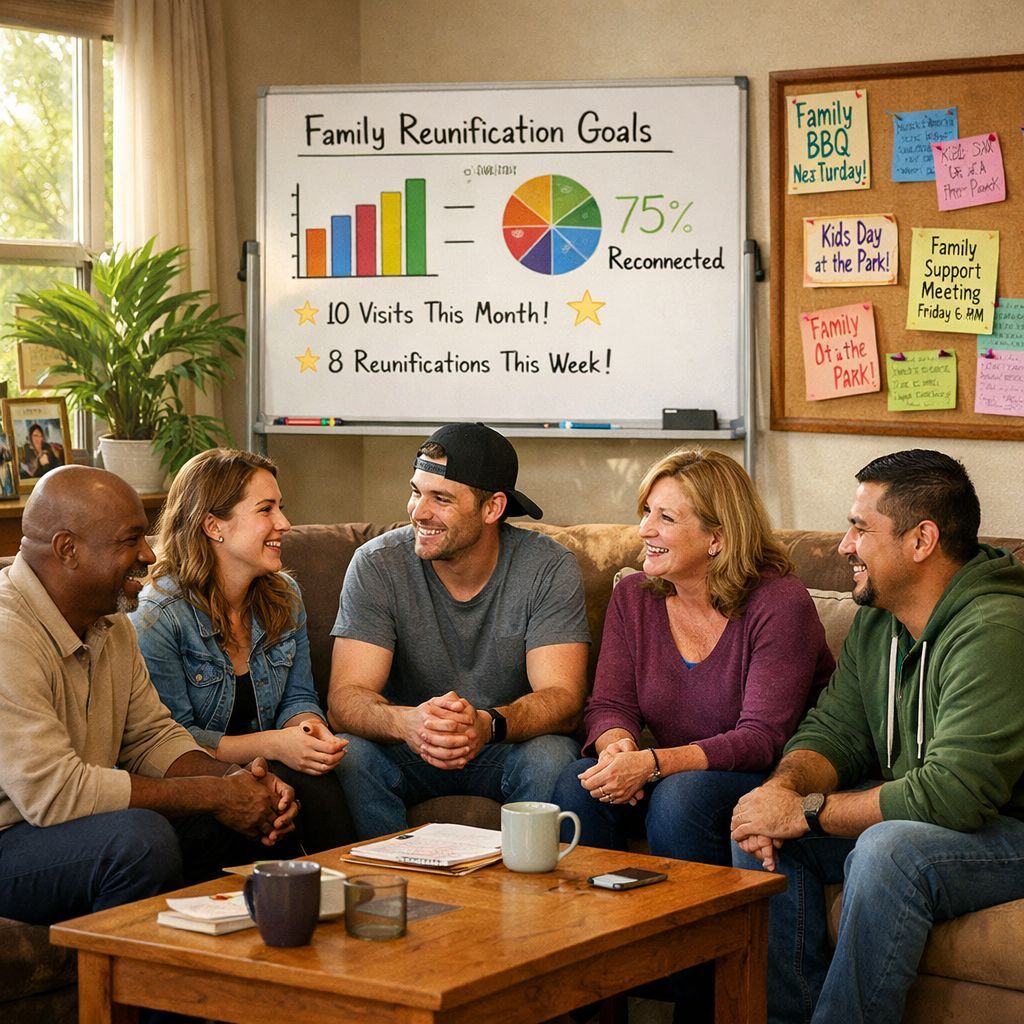
- Family Reunification: For mothers, a critical measure of success is the rate of successful reunification with their children. Improved family relationships are a cornerstone of recovery, with one report finding over 80% of parents in recovery housing noted better relationships with their children.
- Housing Durability: The ultimate goal is for residents to transition to stable, independent housing. Track the percentage of residents who secure and maintain permanent housing for at least six to twelve months after leaving your program. This metric proves the lasting impact of your services.
Operator's Ledger: The Operational Math of Advanced Outcome Tracking
Implementing a more detailed data collection system requires a strategic investment of time and resources. However, the returns in funding, legal protection, and program quality are substantial. Here is a breakdown of the operational math involved.
- Administrative Burden: Expect to add approximately 3 to 5 hours of administrative work per week for a standard 10-bed home. This includes conducting resident check-ins, managing survey data, and preparing summary reports.
- Implementation Cost: The annual cost for structured monitoring, including survey materials and staff time, can range from $500 to $1,300 per resident. This investment is often offset by improved funding.
- Staff Training Investment: Budget between $1,000 and $2,500 for initial staff training on trauma-informed care and confidential data collection practices. Proper training ensures the data is both accurate and gathered in a way that supports residents.
- Financial Return on Investment: Homes that present robust, data-backed outcomes can see a 10% to 15% higher success rate in securing grants and community funding compared to homes relying on anecdotal evidence.
- Key Resident Metric Target: Aim for a 70% resident retention rate at the six-month mark. Achieving this target is a powerful indicator of program stability and effectiveness that resonates with funders and municipal officials.
Strategic Advantages for Independent Operators
Adopting these metrics offers more than just better data. It provides a powerful toolkit for business growth, legal defense, and community relations. It allows you to move from simply providing housing to managing a high-impact recovery environment.
Strengthening Legal and Zoning Defenses
When facing municipal opposition or zoning challenges, data is your best defense. Individuals in recovery are protected under the Fair Housing Act (FHA) and Americans with Disabilities Act (ADA). By presenting clear metrics on employment gains, reduced legal involvement, and community integration, you can build a powerful case that your home is a benefit to the neighborhood and that any request for a zoning exception is a necessary and reasonable accommodation.
Securing Grants and Building Community Trust
Funders are increasingly demanding proof of impact. With detailed reports on functional recovery, you can differentiate your program from competitors and demonstrate a tangible return on investment. This data transforms your grant proposals from simple requests into compelling business cases. It also helps build trust with neighbors by showing your residents are becoming productive, engaged members of the community.
Informing Program and Property Design
Finally, this data provides invaluable feedback for refining your operations. If you notice residents are struggling with financial literacy, you can introduce a budgeting workshop. If psychological safety scores are low, you can re-evaluate your property layout to create more private, quiet spaces. This data-driven approach, supported by organized compliance documentation, allows you to continuously improve the quality and effectiveness of your sober living home.
The shift toward functional recovery metrics is a significant opportunity for independent operators. By embracing this model, you can build a more sustainable business, provide more effective support for women in recovery, and prove the essential value of your work.
This week, schedule a 30-minute house meeting to introduce one new functional goal with your residents. You could focus on creating personal budgets or updating resumes. Start tracking that progress together to build momentum and demonstrate the power of a goal-oriented recovery community.