Organization

PNW Grassroots Recovery

What makes PNWGR different is that we don't just provide a bed. We provide a pathway to self-sufficiency

PNWGR (Pacific Northwest Grass Roots Recovery) stands out from many traditional recovery housing programs because it goes beyond simply providing a sober place to live. Our program combines peer-staffed recovery housing, intensive case management, peer support, access to mental health services, transportation assistance, and a Housing First approach with a right-to-remedy philosophy, all designed to help individuals transition from homelessness, incarceration, or crisis into long-term stability. What truly sets PNWGR apart is that our structured three-phase recovery program is fully integrated within our recovery housing model. Residents are supported by an on-site House Manager and on-site Peer Support Staff available Monday through Friday, providing daily guidance, mentorship, accountability, and encouragement from individuals with lived experience in recovery. Through transportation assistance, residents can access treatment services, medical appointments, employment opportunities, recovery meetings, and other essential resources that support long-term success. Our program begins with Phase 1: Stabilization, where residents focus on securing benefits, identification, healthcare, treatment, and basic needs. In Phase 2: Community, residents develop healthy routines, recovery capital, and meaningful connections through engagement in recovery supports and pro-social activities. Finally, in Phase 3: Independence, residents work toward self-sufficiency, employment, financial stability, and permanent housing. PNWGR doesn't just provide housing. We provide a community, a recovery pathway, and a support system that walks alongside each resident from crisis to stability, empowering them to build a life of purpose, dignity, and long-term recovery

Listings

Heaton House

Heaton House

700

VancouverWA· 98661

The Heaton House is a 11 bed recovery home Bob Heaton aka ( Biker Bob or Pops ) Spent 26 years practicing his sobriety and life improving his life being sober. It was his second chance at life. Bob spent many of years helping and guiding others in their path to sobriety. Over the years he touched many lives and countless others in their path of sobriety. Bob became a mentor to many and always shared his stories of the hurdles one can overcome in order to live a life of being clean and sober. Even at the end of his life he insisted on chairing one more meeting. He felt that maybe he could get through to one more person by showing up in his wheelchair , with is oxygen tank hospice nurse, and family at his side. He was stubborn when it came to his sobriety and what worked for him. But to him it was simple …. “ If you don’t drink you won’t get drunk , and if you don’t go by the dope man’s house to say hi , you won’t get high!” His famous saying resonates throughout meetings across the country. He remained sober until his passing at the age of 66. He had over 26 years of sobriety when he passed.

MenAny/All WelcomeHigh Speed Internet
Hanset House

Hanset House

700

VancouverWA· 98661

Hanset House was created in honor of three generations of the Hanset family who have dedicated their lives to breaking the cycle of addiction and helping others find a path to healing, recovery, and self-sufficiency. The house represents a legacy of resilience, compassion, and service rooted in the belief that no one is beyond hope and that every person deserves the opportunity to rebuild their life. For generations, the Hanset family has witnessed firsthand the devastating impact that addiction, homelessness, and behavioral health challenges can have on individuals and families. Through their own experiences and commitment to recovery, they have transformed adversity into purpose, becoming advocates, mentors, and supporters for those seeking a better future. Hanset House is more than a recovery residence. It is a place where individuals are welcomed with dignity, supported through challenges, and empowered to create lasting change. Through peer support, structured recovery programming, case management, life skills development, and community connection, residents are given the tools and opportunities needed to build stable, healthy, and productive lives.

MenAny/All WelcomeHigh Speed Internet
Sonya House

Sonya House

700

VancouverWA· 98661

A centrally located 11-bed residence providing support and a safe environment for women in recovery. Peer support is provided along with resources and volunteer opportunities. The Sonya House is named in loving memory of Sonya, the founder’s sister, whose life and story continue to shape our mission. Sonya was deeply loved and carried a strength that was often hidden beneath the weight of mental health and substance use challenges. Like many women, she faced her struggles quietly, navigating pain while still showing care and compassion for those around her. Her journey, though marked by hardship, is a powerful reminder of the gaps in support that exist for women seeking recovery. The Sonya House was created in her honor to transform loss into purpose, offering women a safe, supportive home where healing, stability, and hope can take root. Through this space, Sonya’s legacy lives on by helping other women find the support she deserved. This house uses a waitlist system. If there is no availability and you are still interested in this house, please use the contact information below to get on the waitlist.

Women (Trans-Inclusive)Any/All WelcomeHigh Speed Internet
Dewey House

Dewey House

700

VancouverWA· 98661

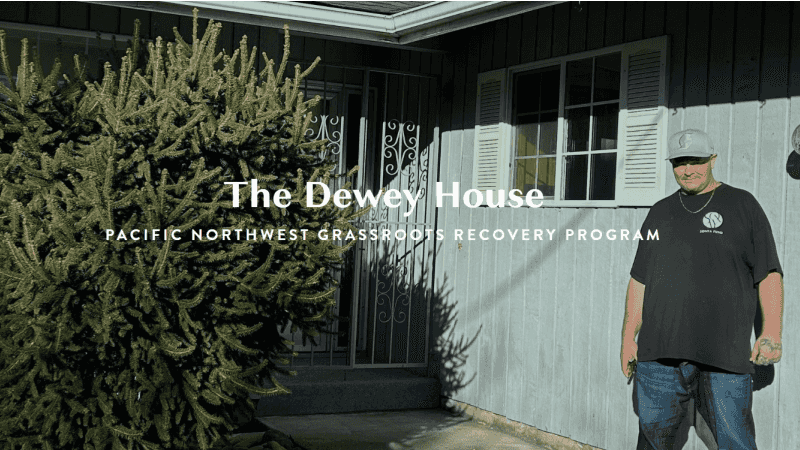
The Dewey House is named after a talented member of our community who struggled with mental health and addiction challenges. Dewey had a remarkable skill set, excelling in playing the drums, building cars, and achieving all-state recognition as a wrestler. Despite his initial successes, his life took a distressing turn when he started using substances. The ensuing struggles with mental health, including paranoid thoughts and voices, led to a diagnosis of schizophrenia. Despite attempts at medication, Dewey faced challenges in adhering to treatment while continuing to battle his addiction. Tragically, he reached a point where the burden of his mental health became unbearable, and he made the difficult decision to end his life. With Dewey in our hearts and minds, we created The Dewey House to carry forward his spirit and inspire hope through recovery.

MenAny/All WelcomeHigh Speed Internet