Conflict Resolution Best Practices for Sober Living
The Proactive Foundation: Preventing Disputes Before They Start
The most effective way to manage conflict is to prevent it from escalating. This begins with creating a structured environment where expectations are clear and residents feel a sense of shared ownership. Strong conflict resolution best practices are not a sign of problems; they are a sign of a well-run, professional operation that prioritizes resident safety and long-term recovery.
Comprehensive Resident Agreements and House Rules
A detailed resident agreement, signed upon entry, is your first line of defense. This document must go beyond a standard lease to include specific expectations for behavior within a recovery community. Clearly defined rules on noise levels, cleanliness, guest policies, and mandatory meeting attendance eliminate ambiguity. Crucially, your agreement should contain a dispute resolution clause detailing the exact steps a resident must follow to address a grievance. This establishes a formal protocol before any conflict arises, protecting both the resident and your operation.
Structured House Meetings for Open Communication
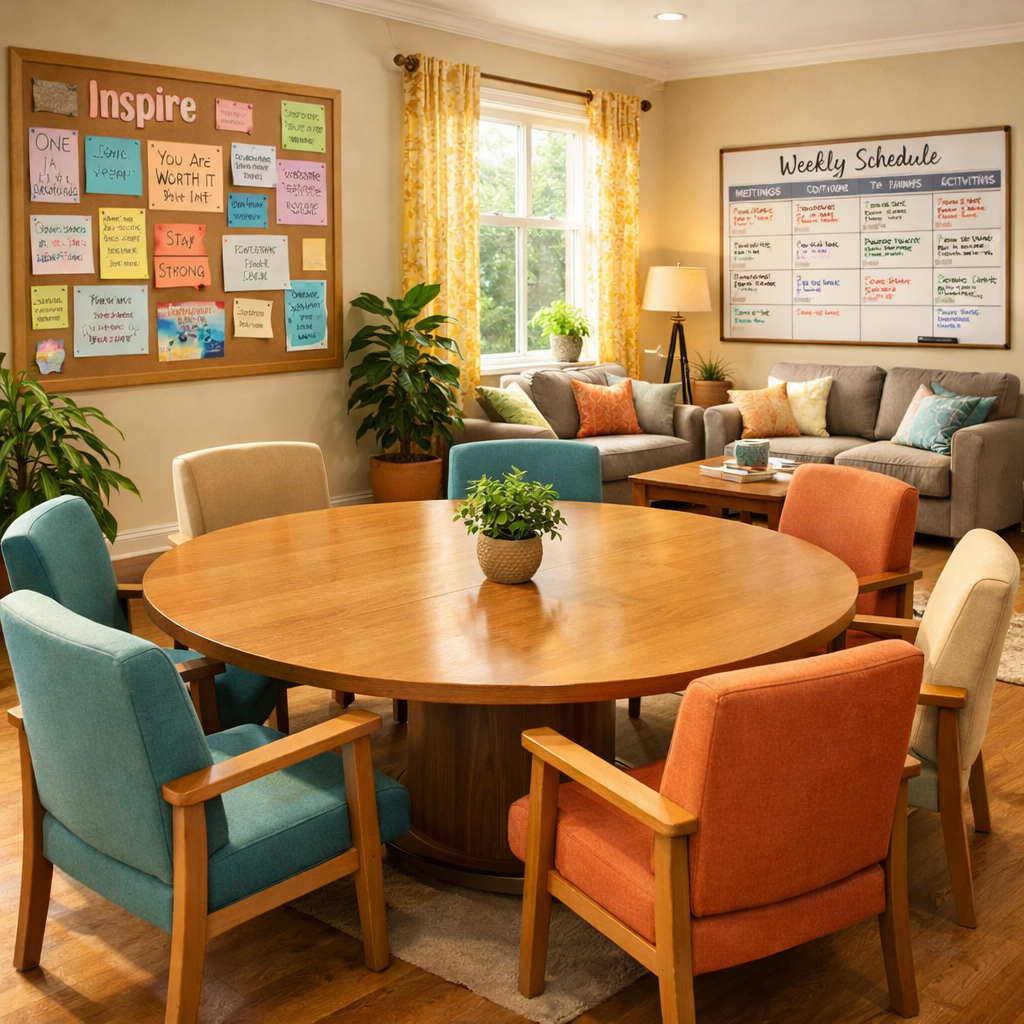
Regularly scheduled house meetings are a primary tool for building community and addressing issues before they fester. These meetings should be more than a forum for complaints; they are a platform for collaborative problem-solving. A set agenda, including a resident check-in round, allows for the early identification of potential tensions. Use this time to reinforce that residents are part of the solution, encouraging them to work together to maintain a respectful and supportive home.
A Multi-Layered Response Model for Active Conflicts
When disagreements do occur, having a layered response model that prioritizes de-escalation and peer involvement can resolve issues at the lowest possible level. This approach preserves relationships and teaches valuable life skills that support functional recovery.
The Role of the House Manager in De-escalation
Your house manager is the primary facilitator of conflict resolution. They must be trained to act as a neutral third party, guiding conversations toward a solution. Key de-escalation techniques include active listening, using a calm and even tone of voice, and validating a person's feelings without necessarily agreeing with their actions. For example, saying, "I can see you are frustrated about this," acknowledges the emotion and opens the door for a productive conversation. Offering simple, reasonable choices can restore a resident's sense of control and redirect their focus away from agitation.
Empowering Residents with Peer-Led Mediation
A peer mediation model empowers residents to resolve their own disputes with the help of a neutral peer facilitator. This builds accountability and reinforces a sense of community responsibility. The process should be structured, not an informal chat. A typical mediation includes:
- Introduction and Ground Rules: The peer mediator explains their neutral role and sets rules for respectful communication.
- Uninterrupted Sharing: Each resident explains their perspective without interruption.
- Identifying Core Issues: The mediator helps the residents find the underlying needs behind their stated positions.
- Brainstorming Solutions: The residents work together to generate their own potential solutions.
- Creating an Agreement: The mediator helps formalize a mutually acceptable solution in writing.
Restorative Practices for Deeper Healing
For more serious conflicts that affect the entire house, restorative practices can repair community-wide harm. A restorative circle is a facilitated conversation that brings together everyone affected by a conflict. Participants discuss what happened, how they were affected, and what is needed to make things right. This approach focuses on accountability and healing rather than punishment, reinforcing the supportive bonds essential for recovery.
Operator's Ledger: The Operational Math of House Harmony
Implementing a formal conflict resolution system has a direct and measurable impact on your operational health and financial stability. A peaceful, predictable environment is a key factor in improving the functional recovery outcomes you can report to stakeholders.
- Cost of Unresolved Conflict: Unresolved disputes that lead to necessary evictions can cost an operator an average of $500 to $1,000 per incident in turnover costs, lost fees, and potential legal expenses.
- Impact on Resident Retention: Independent operator surveys indicate that homes with structured resolution processes report 20% to 30% lower resident attrition rates. Longer stays are directly correlated with better outcomes.
- Functional Recovery Metrics: A stable, low-conflict environment is foundational to achieving positive outcomes. Research shows residents who stay six months or more have sobriety success rates between 70% and 80%. High house tension jeopardizes this.
- Administrative Burden: While setting up a formal grievance process takes time, it saves countless hours down the line. A proactive system prevents minor issues from consuming dozens of hours in escalated mediation and resident management.
Formal Grievance Procedures and Legal Protection
For issues that cannot be resolved through informal discussion or peer mediation, a formal, written grievance process is a legal and operational necessity. This ensures accountability, provides clear documentation, and protects your business. Your written policy should be provided to every resident and posted in a common area. It must outline how to file a complaint, a clear timeline for investigation, and the steps for an appeal. Some states, like Ohio and Arizona, have specific administrative codes requiring licensed homes to maintain grievance records. Proper documentation is not just a best practice; it is a critical component of risk management and regulatory compliance. Having a system for managing compliance and resident forms ensures every complaint is handled consistently and professionally.
By combining proactive community-building with structured, responsive conflict resolution models, you can create a stable environment that not only minimizes disputes but also equips residents with valuable skills for their long-term recovery. This professional approach protects your residents, your staff, and your investment.
This week, review your resident agreement. Does it contain a clear, step-by-step clause for dispute resolution? If not, draft one using the principles discussed here to fortify your operations and create a more secure environment for everyone.